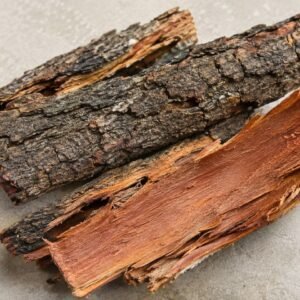
mimosa hostilis root bark for sale
Looking to buy authentic Mimosa Hostilis root bark? Discover sustainably harvested, inner root bark powder and shredded MHRB. Fast, secure shipping worldwide. Shop premium quality today!
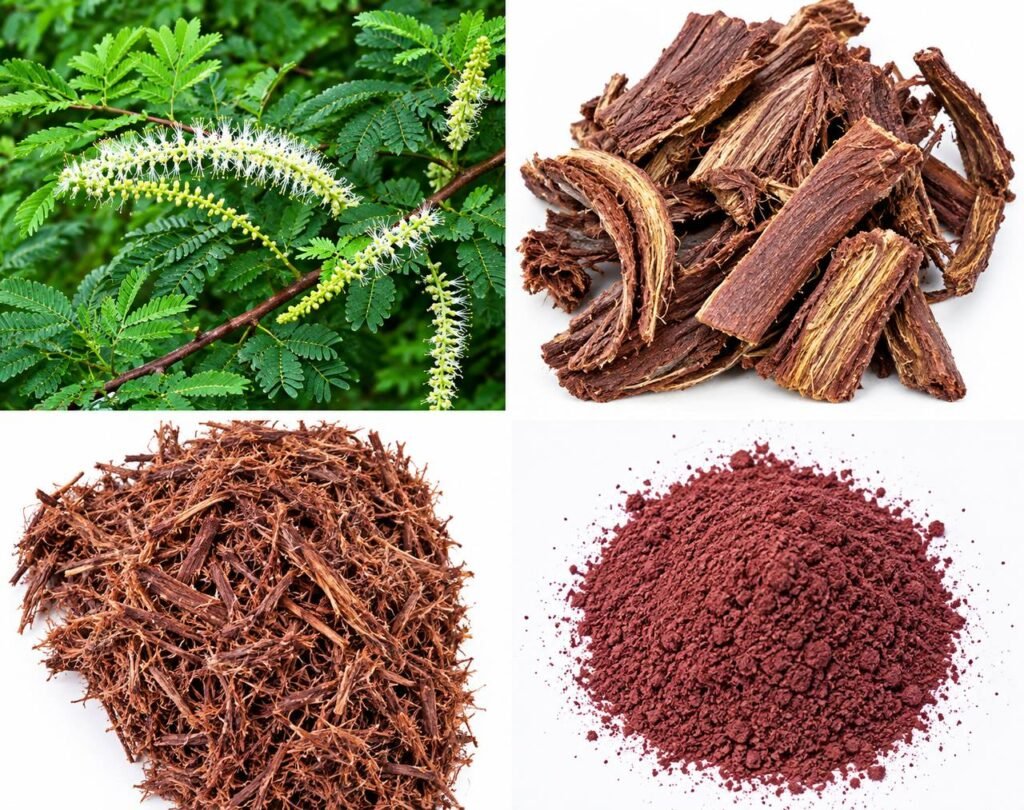
When looking to buy Mimosa Hostilis root bark online, quality, purity, and ethical sourcing dictate everything. Also widely recognized under its botanical classification Mimosa tenuiflora (and historically as Mimosa hostilis), our product delivers unrivaled performance for your specialized projects.
Often referred to colloquially as Tepezcohuite, Jurema Preta, or Black Jurema, Mimosa hostilis has a rich historical and cultural footprint. Indigenous communities in Central and South America have utilized its potent bark for generations, valuing its dense structural tannins and rich natural dyeing capabilities.
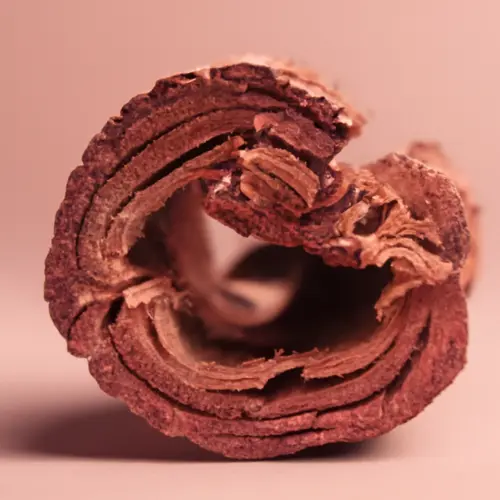
What is Mimosa Hostilis Root Bark?
Mimosa Hostilis root bark (MHRB) is the inner root layer of the Mimosa tenuiflora tree, native to Brazil and Mexico. High in natural condensed tannins (16–20%), it is widely prized as a durable textile dye that yields deep red and purple hues, as well as a key ingredient in traditional skin cosmetics and soaps.
While both regional types share the same botanical classification, variations in soil chemistry, rainfall patterns, and harvesting methods create distinct physical traits between Brazilian Mimosa Hostilis root bark and Mexican Mimosa Hostilis root bark
Mimosa as a category spans multiple disciplines, from botany to product taxonomy and digital content. A clear, well-defined category helps educators, retailers, and researchers find relevant information quickly and accurately.
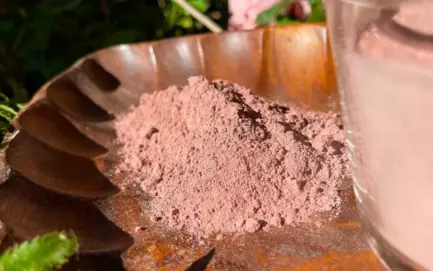
Brazilian Mimosa Hostilis Root Bark
—widely celebrated among botanical collectors, natural dyers, and researchers—comes from Mimosa tenuiflora (historically known as Mimosa hostilis), a perennial tree native to the northeastern region of Brazil.
Here is what makes Brazilian MHRB distinct and highly sought after:
Superior Inner Bark Purity: Authentic Brazilian MHRB consists strictly of the inner root layer (tepezcohuite), which is meticulously separated from the outer woody trunk and bark. This yields a dense, high-potency material free from dead wood fillers.
Rich Color and Alkaloid Profile: Brazilian MHRB is traditionally recognized for its deep purple-brown hue and robust natural profile. It features high concentrations of condensed tannins and active plant compounds, making it a favorite for natural dye extraction and artisanal textiles.
Fine Textures: Available primarily as a micro-milled powder or clean, fibrous shredded bark, Brazilian varieties are prized for their consistent texture, minimal dust, and ease of integration into various botanical applications.
Sustainable Wildcrafting: The best Brazilian MHRB is harvested from wild trees grown in mineral-rich regional soils using sustainable root-pruning practices that allow the trees to thrive and regenerate naturally.
Whether utilized for historical dye projects, organic cosmetics, or botanical research, Brazilian Mimosa Hostilis root bark remains the gold standard for quality and performance.
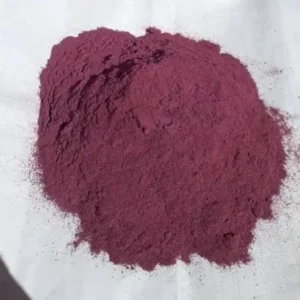
Brazilian Mimosa Hostilis
Brazilian Mimosa Hostilis (MHRB) | Cold-Milled Inner Root Bark Powder
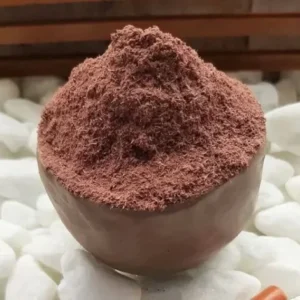
Brazilian Mimosa Hostilis
Mexican Mimosa Hostilis root bark—derived from Mimosa tenuiflora (often still referred to by its older synonym Mimosa hostilis)—is highly sought after by botanical collectors, natural dyers, and artisan formulators worldwide. Indigenous to the warm, mineral-rich soils of Central and South America, Mexican MHRB holds a storied place in botanical history and modern craft applications.
True Inner Bark Composition: High-grade Mexican root bark consists strictly of the fibrous inner layer of the root, carefully separated from the outer, dead tree bark to ensure maximum purity.
Fibrous & Bright Profile: Compared to some regional variants, Mexican MHRB is widely recognized for its light, stringy, fibrous texture and vibrant inner layers, making it exceptionally clean to work with.
Rich Tannin & Compound Density: Because of the unique climate and soil composition of Mexico, the bark develops a dense profile of natural condensed tannins and organic compounds.
Natural Textile Dyeing: Due to its rich natural pigmentation, Mexican MHRB is a favorite for creating earthy, deep tones ranging from rich purples and browns to vibrant reds on natural fibers like cotton, wool, and silk.
Artisan Cosmetics & Infusions: Known locally as Tepezcohuite, it has a long traditional history in Mexico, where its finely milled powder is studied and utilized in natural skin balms and soaps.
Botanical and Taxonomic Research: Laboratories and independent researchers utilize authentic Mexican root bark for plant alkaloid profiling and chromatographic studies.
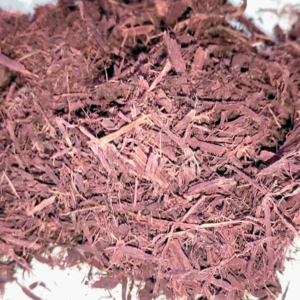
Mexican Mimosa Hostilis
Premium Shredded Mexican Mimosa Hostilis Inner Root Bark (MHRB)
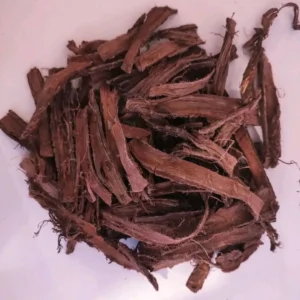
Mexican Mimosa Hostilis
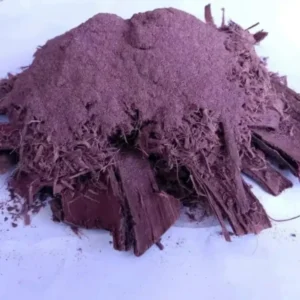
Mexican Mimosa Hostilis
Premium Mexican Mimosa Hostilis Inner Root Bark (MHRB) Powder
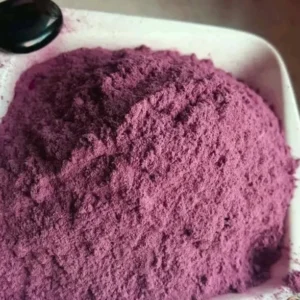
Mexican Mimosa Hostilis
Mexican Mimosa Hostilis Root Bark (MHRB) | Premium Fine-Milled Powder
Got questions about sourcing, legality, quality, or processing of Mimosa Hostilis root bark for sale? We have compiled detailed, straightforward answers below to help you make an informed decision.
Mimosa Hostilis root bark—scientifically classified as Mimosa tenuiflora (and historically as Mimosa hostilis)—is a perennial tree native to Central and South America, particularly regions of Brazil and Mexico. The inner layer of its root bark is exceptionally rich in natural plant compounds, condensed tannins, and deep pigments, making it highly valued by botanical collectors, artisan dyers, and researchers.
Shredded MHRB: Consists of fibrous strips of the inner root bark. It is ideal for long-steep extractions, textile dyeing, and slow-release applications because it filters easily and has a long shelf life.
Powdered MHRB: Micro-milled into a fine powder for instant integration. It is commonly used in artisan cosmetic formulations, fine arts, and direct-mix projects where smooth consistency is essential.
Low-quality vendors often grind up the entire root or outer trunk bark, which introduces heavy wood fillers and impurities. True, high-grade MHRB consists exclusively of the inner root bark layer, which features vibrant purple, dark brown, or reddish-brown tones and a clean, fibrous texture without woody chips.
Yes, Mimosa Hostilis root bark (Mimosa tenuiflora) is legally bought, sold, and possessed in many parts of the world as a botanical specimen, natural dye material, and cosmetic ingredient. However, laws and regulations regarding import and usage vary significantly by country, state, and local jurisdiction. Buyers are solely responsible for verifying and complying with all local laws in their specific region before purchasing.
Yes. All orders are packed securely in plain, unbranded boxes or padded mailers with zero external markings indicating the contents, ensuring complete privacy and discretion upon delivery.
To protect your root bark from degrading, follow these storage guidelines:
Keep it Dark: Store away from direct sunlight and UV exposure.
Keep it Cool & Dry: Avoid high humidity and heat, which can cause moisture buildup or mold.
Use Airtight Containers: Seal your powder or shredded bark in a glass jar or heavy-duty Mylar bag to prevent air exposure. Properly stored MHRB can retain its quality for years.
Orders are typically processed and dispatched within 24 to 48 hours of payment confirmation. Delivery times vary depending on your chosen shipping method and destination, ranging from fast domestic shipping to reliable international transit options.
If your shipment encounters any transit issues or arrives damaged, please reach out to our customer support team immediately with your order number and photos of the package so we can resolve the issue promptly.
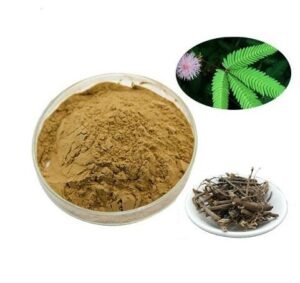
Mimosa hostilis also known as Mimosa tenuiflora or jurema preta, is a shrub native to [...]
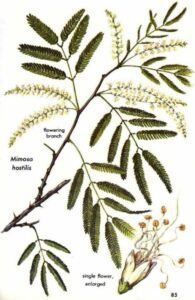
For botanical collectors, artisan dyers, and independent researchers, sourcing quality botanical materials requires careful attention [...]
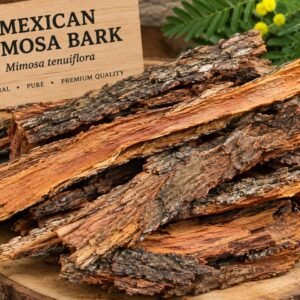
Mimosa Hostilis Root Bark for Sale When exploring botanical specimens, natural dye supplies, or artisan [...]
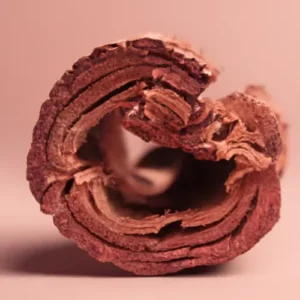
If you have spent any time researching ethnobotanicals, natural dyes, or traditional plant specimens, you [...]
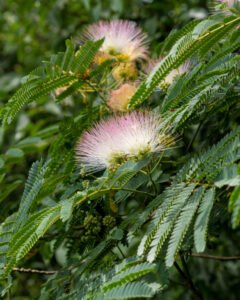
Finding reliable, high-grade Mimosa Hostilis root bark (MHRB) online can feel like navigating a maze. [...]