Uncategorized
Exploring Jurema Root Bark for Sale: Uses, Quality, and What to Look For
Oct
If you have spent any time researching ethnobotanicals, natural dyes, or traditional plant specimens, you have likely encountered jurema root bark for sale. Also widely known as Mimosa hostilis or Mimosa tenuiflora, this remarkable plant material has drawn the attention of artisans, botanists, and collectors around the globe.
Whether you are looking to understand its traditional significance, its application in modern crafts, or how to identify a reputable source, this guide covers what you need to know when evaluating jurema root bark for sale.
What is Jurema Root Bark?
Jurema root bark is harvested from Mimosa tenuiflora, a perennial tree native to Central and South America, particularly thriving in the mineral-rich soils of Brazil and Mexico. In indigenous traditions—such as the Jurema Cult (O Culto da Jurema) in northeastern Brazil—the plant holds deep cultural and spiritual significance.
Beyond its cultural history, the inner root bark is naturally rich in condensed tannins (making up roughly 16% of its dry weight) and various organic compounds. These properties make it a premier choice for several distinct modern applications:
- Natural Textile Dyeing: Artisans and textile designers prize jurema root bark for its rich pigment profile, which yields deep earthy browns, vibrant reds, and rich purples on natural fibers like wool, silk, and cotton.
- Ethnobotanical Collections: Botanical enthusiasts frequently acquire authentic inner root bark samples for taxonomy studies and reference libraries.
- Traditional Skincare Infusions: Known locally in Mexico as Tepezcohuite, the bark has a long history of traditional local use in topical salves and balms.
Formats Available on the Market
When browsing for jurema root bark for sale, you will typically find it offered in three main forms. Each serves a different purpose for hobbyists and researchers:
| Format | Description & Ideal Use |
| Shredded Bark | Composed of fibrous strips of the inner root layer. Highly favored by collectors and dyers because it is easy to visually inspect for authenticity and stores well for long periods. |
| Fine-Cut Chunks | Mechanically fragmented pieces that offer a balance between surface area exposure and structural integrity. |
| Powdered Bark | Micro-milled into a fine, flour-like texture. It maximizes surface area for rapid interaction in dye baths or artisan formulations, though it has a shorter shelf life if exposed to humidity. |
How to Spot High-Quality Material
Because the market includes various grades and suppliers, knowing how to identify genuine, high-grade root bark is essential:
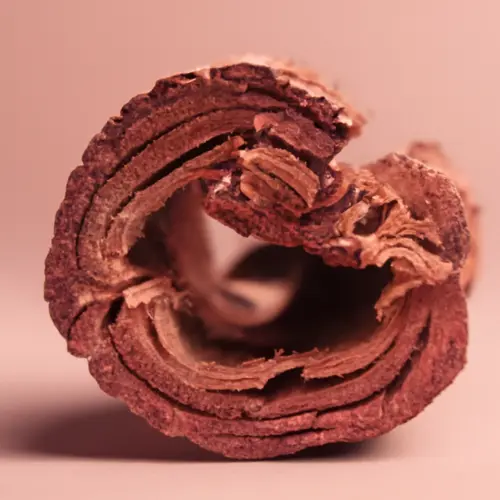
- Check the Color: Authentic inner root bark features a distinct reddish-purple, dark pink, or deep maroon inner layer. If the material is uniformly gray, yellow, or light brown, it may be low-quality stem bark or wood filler rather than true root bark.
- Inspect the Texture: High-grade material should consist strictly of the fibrous inner root layer, free from thick, woody chunks or outer tree bark debris.
- Verify Sourcing Transparency: Reputable vendors typically specify the geographical origin of their harvest—such as the sustainable forests of Brazil or Mexico—and store their inventory in vacuum-sealed or dark, airtight containers to prevent degradation.
Legal and Compliance Considerations
Before purchasing jurema root bark, it is important to understand regional regulations. While raw Mimosa Hostilis root bark is legally bought, sold, and owned in many parts of the world as a botanical specimen, dye material, or crafting ingredient, legal frameworks vary significantly by country, state, and local municipality. Buyers are always responsible for checking and complying with local laws before placing an order.
