Uncategorized
Mimosa Hostilis Root Bark for Sale
Oct
Mimosa Hostilis Root Bark for Sale
When exploring botanical specimens, natural dye supplies, or artisan craft materials, few plants capture as much interest as Mimosa tenuiflora—widely known as Mimosa Hostilis. For crafters, historians, and natural dyers alike, finding reliable sources of mimosa hostilis root bark for sale can feel overwhelming due to varying grades, cuts, and processing standards.
Whether you are looking to create earthy textile dyes or expand a botanical collection, understanding what sets premium bark apart is essential. Here is a guide to navigating the market, understanding grades, and making an informed choice.
Why Mimosa Hostilis Root Bark is in High Demand
Native to the warm, mineral-dense soils of Central and South America, the Mimosa Hostilis tree has built a legendary reputation. While various parts of the plant are studied, the inner root bark (often abbreviated as MHRB) remains the most sought-after component.
- Rich Organic Compounds: The unique terroir and climate where authentic MHRB thrives contribute to a dense concentration of natural condensed tannins and organic pigments.
- Versatility in Craft: From deep, earthy purples to rich browns on natural fibers, its pigmentation profile makes it a favorite for natural dye artisans.
Shredded vs. Powdered: Which Option Fits Your Needs?
When browsing listings for mimosa hostilis root bark for sale, you will typically encounter two primary forms. Choosing the right one depends entirely on your project:
- Shredded MHRB
- What it is: Fibrous, stringy strips of the inner root bark.
- Best for: Long-steep infusions, slow extraction processes, and textile dyeing where easy filtration is a priority. Shredded bark also tends to have a longer shelf life against oxidation.
- Powdered MHRB
- What it is: Micro-milled root bark reduced to a fine, uniform powder.
- Best for: Artisan cosmetic formulation projects, fine arts, and quick-integration tasks where smooth consistency without fibrous residue is required.
Red Flags to Watch Out For
The growing popularity of MHRB has led to a flood of low-quality suppliers in the marketplace. To ensure you get what you pay for, keep these quality indicators in mind:
- Beware of Outer Bark Fillers: Unscrupulous vendors sometimes grind up the entire root—including the dead outer tree bark—or mix in generic wood fillers. True, high-grade MHRB consists exclusively of the inner root layer.
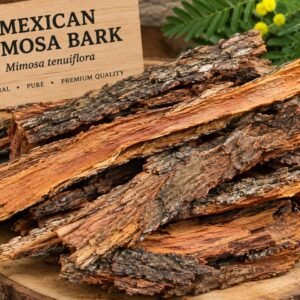
- Check the Color Profile: Authentic inner root bark features vibrant dark red, deep purple, or rich brown hues. If a product looks dull, gray, or overwhelmingly woody, it may be heavily diluted with low-grade material.
- Transparency and Sourcing: Reputable sources are transparent about the botanical origin (Mimosa tenuiflora) and whether the product is ethically and sustainably harvested.
Storage and Legal Considerations
Before purchasing mimosa hostilis root bark for sale, keep two major factors in mind:
- Regulatory Compliance: MHRB is legally bought, sold, and possessed worldwide as a botanical specimen and natural dye material. However, regulations vary significantly by country, state, and local municipality. Always check your local laws before placing an order.
- Proper Storage: To maintain quality and prevent degradation, keep your bark or powder stored in an airtight glass jar or heavy-duty Mylar bag. Store it in a cool, dark, dry place away from direct sunlight and humidity.
